The Ice Age

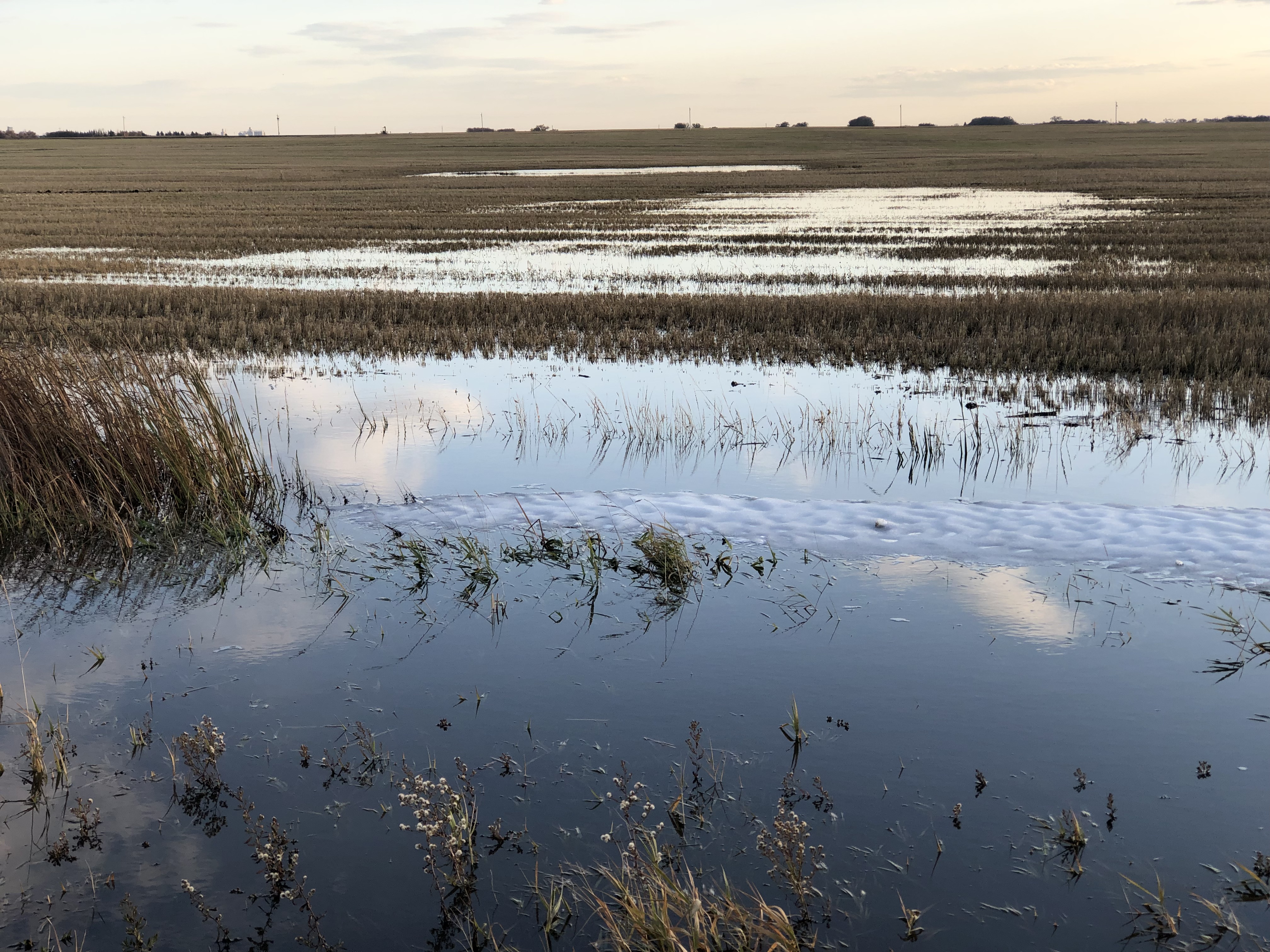
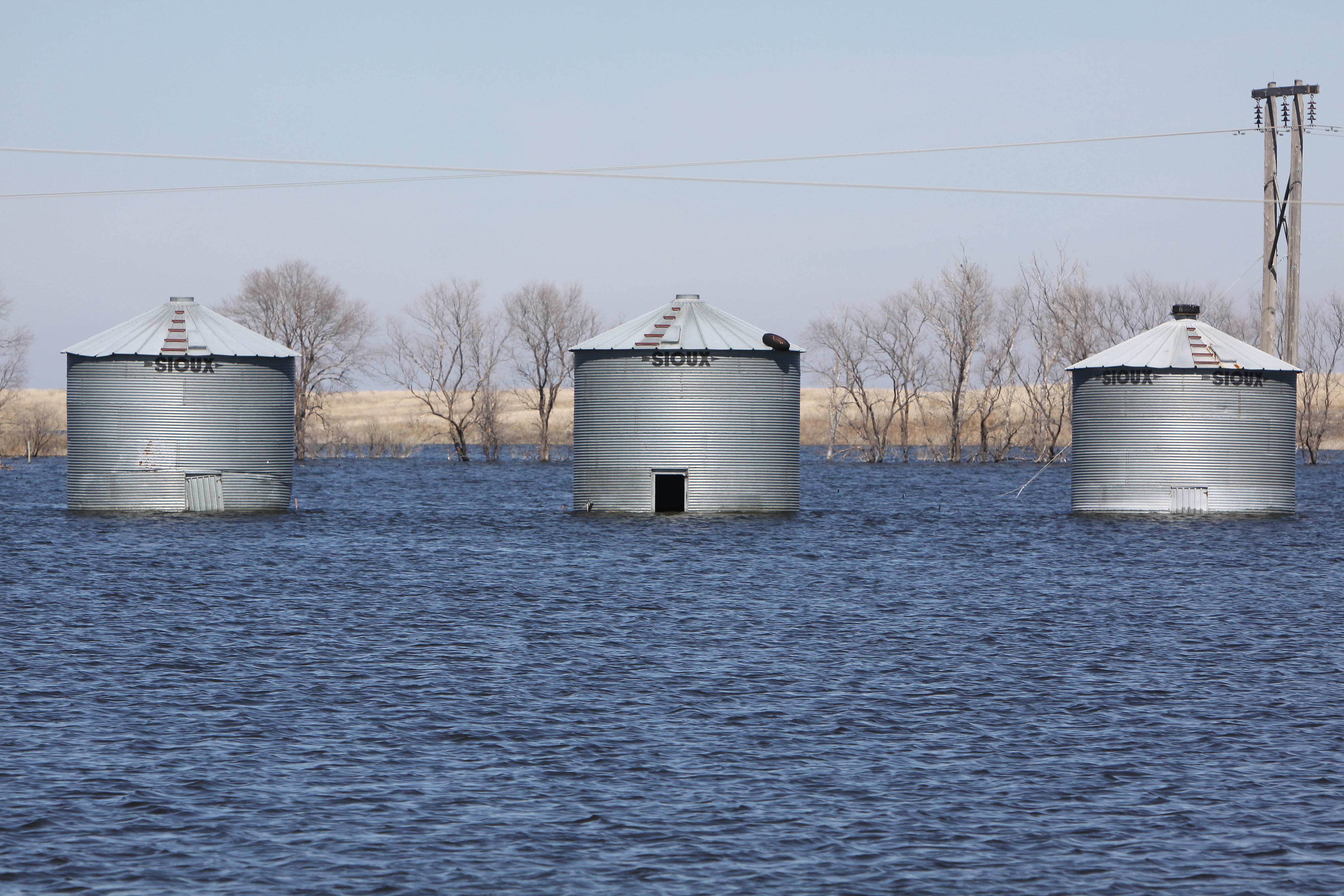
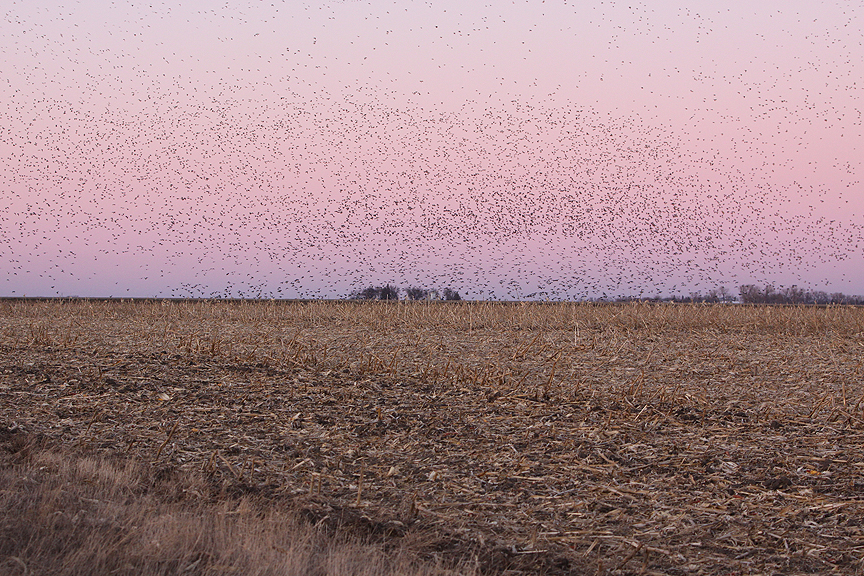
It’s April 18. Other than longer days, spring seems to be nowhere in sight in our neck of the woods. Our turkey season opened yesterday and I’m supposed to be hunting right now, but it’s hard to think about setting a blind (I prefer to bowhunt) and calling turkeys in knee deep snow. In the past week we’ve had 11 inches of new snow to add to the 15-inch pack still that covered all but the most sun-exposed areas. The turkeys don’t seem to like it any better than I do, and of course they are drawn to those areas where they can actually walk and perhaps find a bird feeder to stand under rather than do their regular courtship travels. A hen couldn’t even think of nesting in this climate and the toms have abandoned their regular spring roosts. Seems they’d rather sit on fences and sulk, like this Jake, than act like spring turkeys. Everything’s backed up. The spring snow goose migration hasn’t been able to push into the northern Dakota region and it wouldn’t be surprised if mammoths started rising from the their icy graves. Hope it’s better in your world.

Deep In The Heart Of Dryness

I got one of those unsigned letters recently, from a Texan who wanted to advise that the hunting was none too good this past season.You may recall the drought down there. I don’t usually print unsigned letters, but his comments were interesting for their level of frustration.

Here’s a few of his outtakes on Texas waterfowl hunting in 2012/13. “Two weeks do not make a season!” He cited a news article that called the hunting spotty. “Spotty? More of a tragedy!” He said there was ho water, no feed and no ducks, and the poor wheat fields couldn’t even attract geese.

The writer said that when it finally rained and put sheet water in the fields they were covered with mallards and pintails but the season was closed! “Waterfowl season in North Central Texas starts too soon and ends too early,” he concluded.

And he signed it, “Screwed As Usual.”

Remembering Mike

News that my friend Mike Strandlund had died came unexpectedly yesterday. Like me, Mike lived in Minnesota. The fact that he died in an “accident,” so far from home, in the Philippines, by drowning, left me empty.

Mike was the long-time editor of Bowhunting World magazine. We had a serendipitous 23-year friendship, formed in the strangest manner.

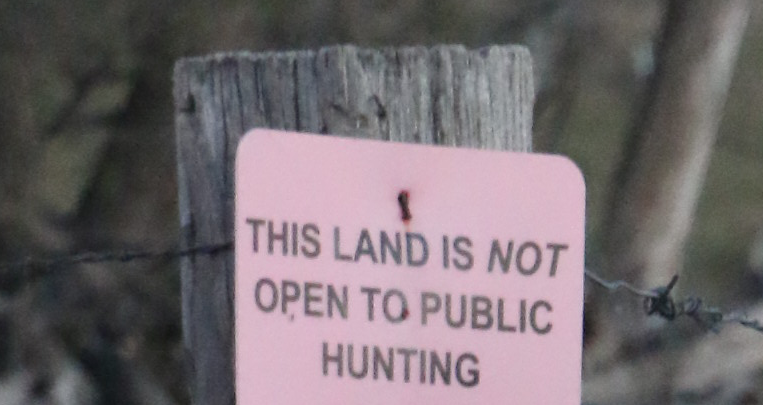
In 1990 I had just left an editor’s position at Bowhunting World magazine to take a managing editor’s position with the North American Hunt Club. At that time, I had a sweet 20-acre plot of private bowhunting-only land with some really good deer on the edge of the west metro of Minneapolis. Of course, I posted my hunting area with No Hunting signs to keep it undisturbed. I decided to scout the area from the outside-in one evening just before bow opener. As I glassed from a nearby church parking lot, I couldn’t believe my eyes. A guy was walking through the area, accompanied by a dog that was obviously hunting up and flushing pheasants. Since he was coming my way, I hustled out to meet him, and to ask if he could read and why he was trespassing. He played dumb, “Uh, oh,” he said. “I was just working my dog.” Then, after apologizing, he began asking me about my deer hunting. He seemed more than casually interested in the bowhunting aspect and said he had just taken a job as an editor of a bowhunting magazine…”with Ehlert publishing.” I about fell over. Here was the guy who had taken the job I had just left! What are the odds.

And that was the start of our friendship. A couple of years later, I ended up as an editor at Petersen’s Bowhunting, and would stay with that publication for the next 15 years. Mike and I were competitors, but only on paper. We stayed in touch, not frequently, but regularly, shared hunting stories, compared industry tales, talked about our dreams, our relationships and most anything else friends talk about. Since I had moved to California to take the job with Petersen’s, Mike inherited some of my good hunting spots in the west metro of the Twin Cities for deer and pheasants, including copiously hard-earned details about how and when to access and hunt them. There were few people that could have earned that kind of trust, but Mike deserved it, and he always made a point of sharing tales of adventure about those memorable spots when we got together.

As little as I saw Mike (at trade shows mostly), we found time for each other when the phone rang and one of us needed to compare notes on some industry dilemma or personality or any other part of our job that needed sharing and comparison. Somehow, we each seemed to be able to ground the other with information or advice–after all, we faced many of the same day-to-day challenges for those many years.

Mike and I seemed bound together by so many odd events. One year we were both asked to have our heads publicly shaved bald as a fundraiser to benefit cancer research. I well remember sitting on stage with Mike next to me and enjoying the crowds’ laughs and catcalls as our hair dropped to the floor. Whoever cut Mike’s heir left a crest at the top that made him look like some strange breed of chicken, a view that had everyone around him in stitches. Two weeks later we rendezvoused to compare heads at another show.

We nearly worked together at one point. Mike lobbied his employer, Grand View Media, to find a place for me when I left my position at Petersen’s Bowhunting and Wildfowl magazines, but things just didn’t fit at the time and I was already deep in the planning stages of starting my own magazine.

The last time I spent quality time with Mike was at a trade show “Shooting Day” event. We spent most of a day together knocking around the event, lingering over a long lunch and comparing notes on our jobs and sharing very personal stories about our relationships and our families. I’m not even sure how much we really saw of the event, because we were so embroiled in really deep conversations. That’s what was possible with Mike. He offered a real level of trust and honesty that I’ve found in few others. I think a lot of people found that in him.

I’m going to miss the guy. Check that. I already miss him. I wonder what really happened down there in the Philippines and I’ve already fantasized gong down to research the story myself, picturing an “Outside Magazine” type of adventure/mystery that’s worth solving. I know Mike was crazy about fishing and I wonder if his death had anything to do with some fishing adventure that went awry.

It’s a tough way to say goodby, with no goodbye at all. All I know for sure is Mike trusted me–what a compliment from someone you respect. I now have to trust that he knew what that meant to me.

Thanks Mike Strandlund, for unquestioned friendship. It’s been a good journey. RIP.

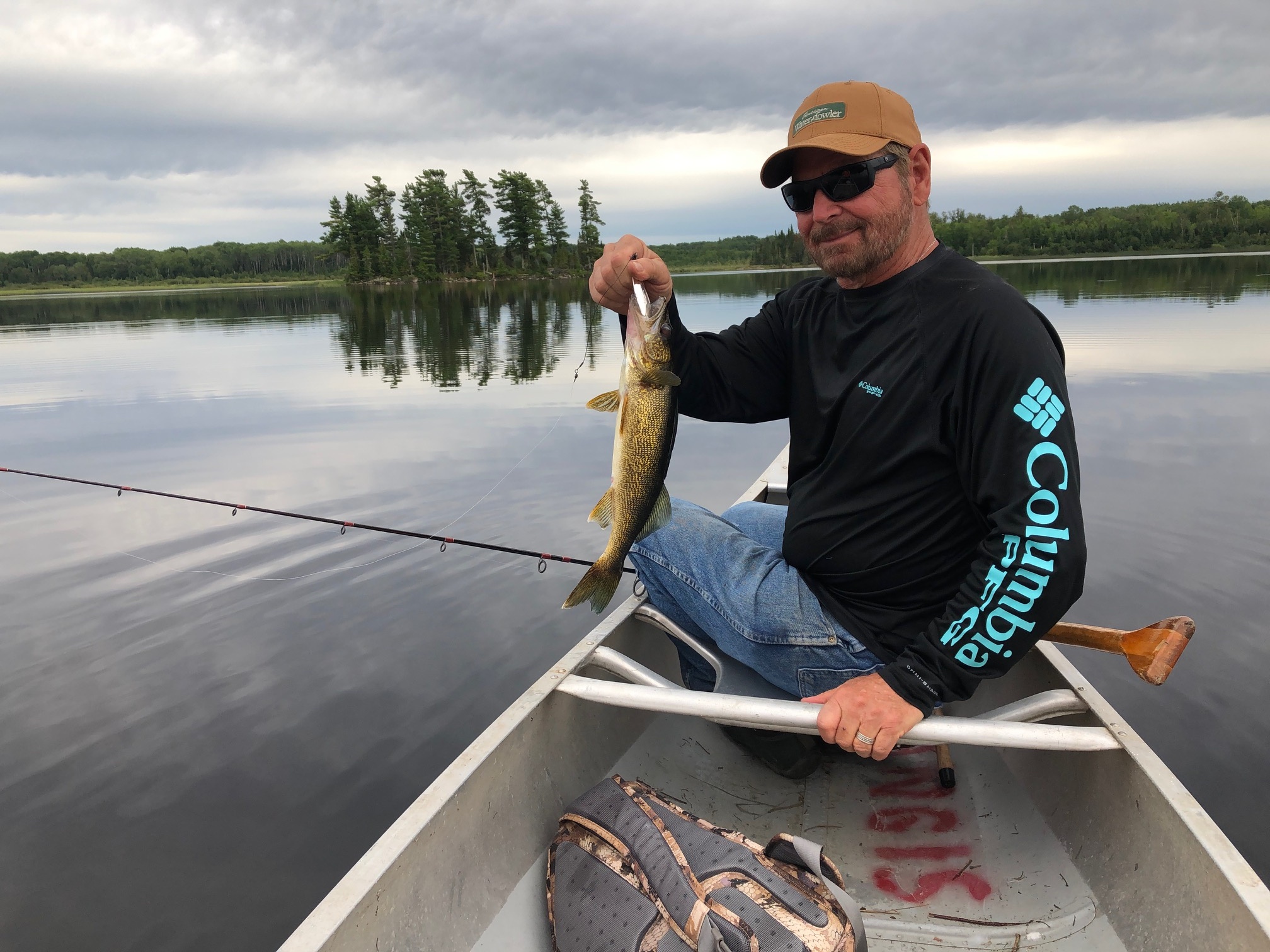
Mike loved to hunt, AND FISH.
Not sure if fishing had something to do
with his drowning.
Photo courtesy of Patrick Meitin.

Fringe Benefits

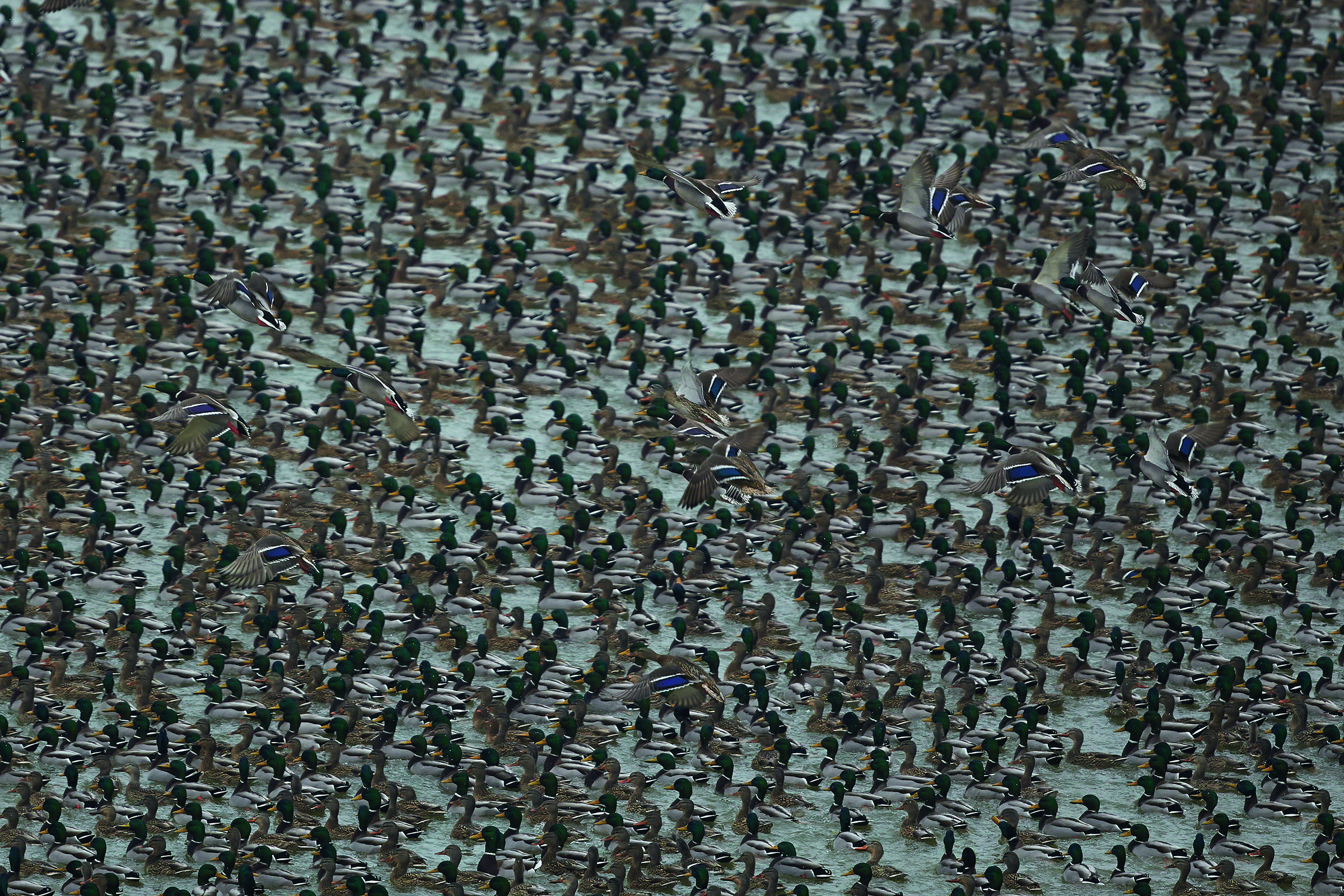
A huge bonus to spring snow goose hunting is the “other” birds you get to see while hunting the conservation season. Mallards and pintails, white-fronted geese. Canada geese and bald eagles are just some of the birds that take and active interest in snow goose spreads. There’s nothing better than seeing a mixed flock of mallards and pintails working the set.

Mallards and pintails on the way in.

Lovin’ The New Optifade Pattern

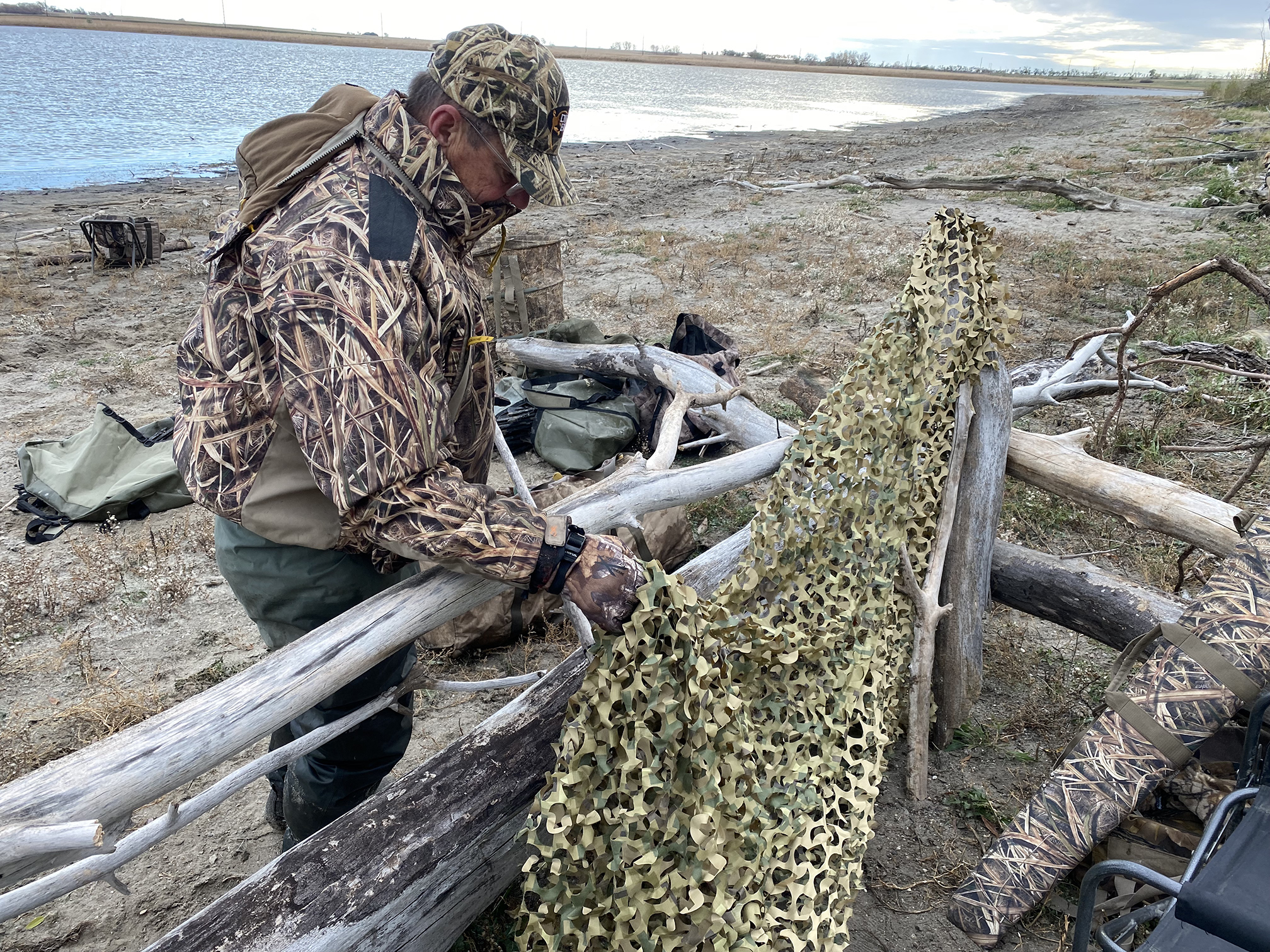
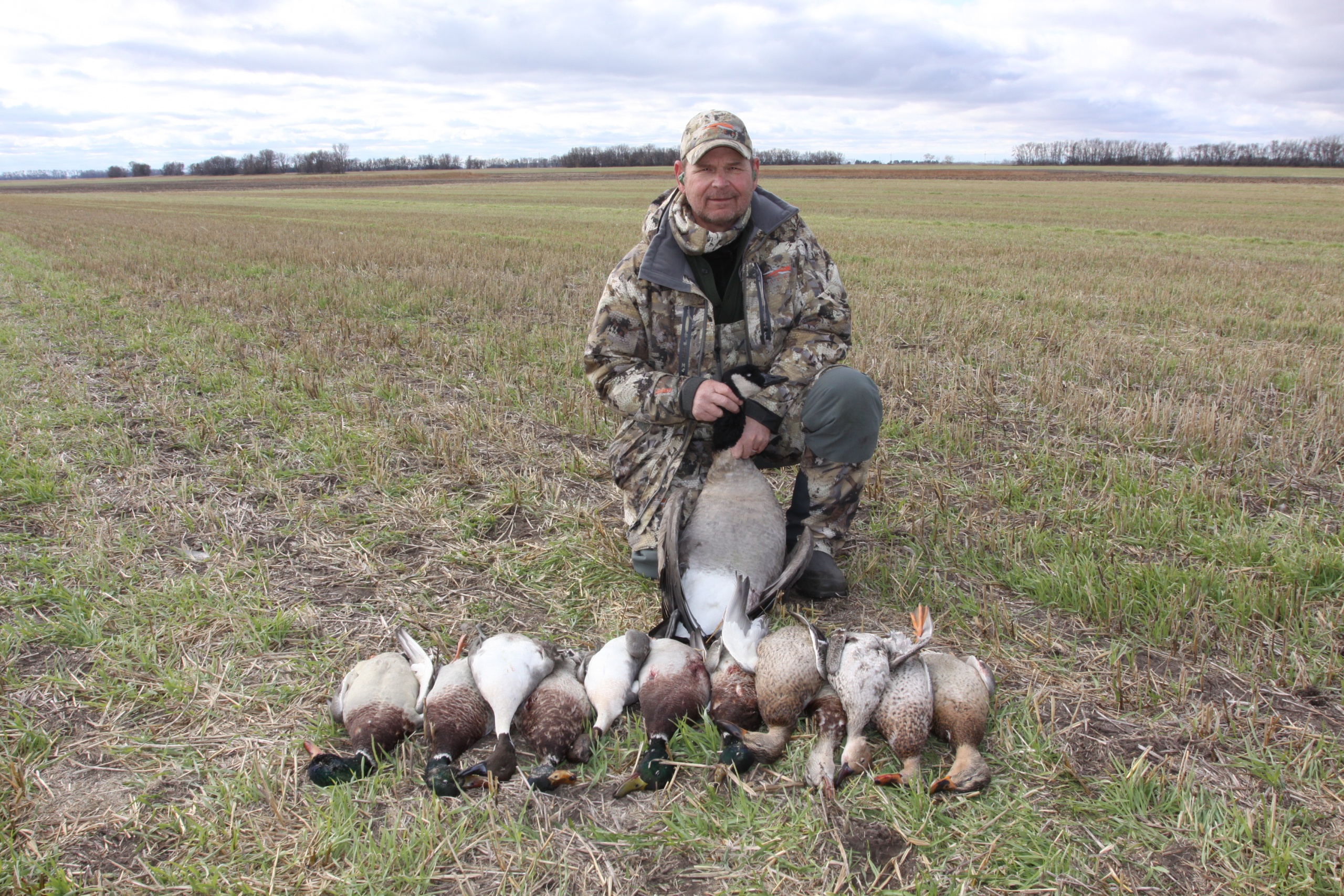
Got a chance to field test the new Optifade pattern from Gore, as in Gore-Tex. The pattern’s only made in two clothing lines, Sitka Gear and Beretta. Mine was the Sitka gear. Good stuff. The guides in Missouri were all over the pattern saying it was one of the best corn field patterns they’d seen and the truth is, it’s good in a wide variety of covers, but best in the grass, cattail, rice, barley, wheat, corn and other lighter-colored environs we hunt in. We battled 30 mph straight-line winds and 30 degree temps all day, sunrise to sunset, on the first day of our hunting. I was glad for the well-thought-out layering system, including basewear, all the way up to a down parka called the Boreal. With the Windstopper outer shell topping it off, I felt bulletproof despite over 10 hours in the field and a cold wind that burned my face to badly that it later pealed. My only suggestion to Sitka would be that some of the zippers are too small and tight for cold weather function, particularly those on the bottom of the Pantanal bib. The zipper tab was hard to grasp with numb fingers and the sipper itself was quite a chore to pull up and down. Also, I found the wrist cuffs on most of the layers too tight for comfort, binding up over my favorite hunting watch enough to cause a sore wrist. Easy fixes, but necessary in my view. The clothing was given to me, so I’m not complaining, just trying to honestly evaluate. Overall, I stayed warm and snug in the gear, shot well despite the layers and found the pattern to be awesome. I’d also had a chance to test the clothing in January in Maryland goose fields and duck blinds, but the weather was not as challenging. As a side note, we got out of Missouri just ahead of the first of two winter storms that slammed them.

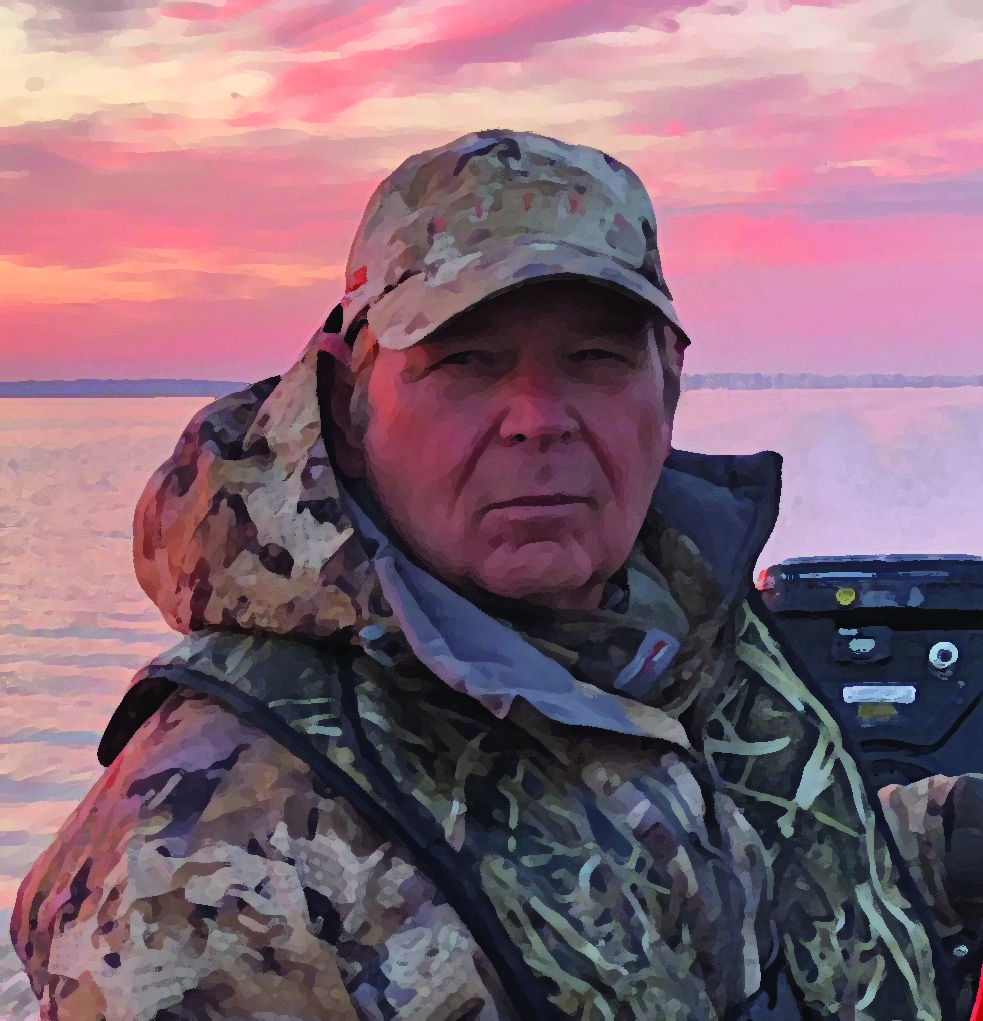
That's me and my dog Bud in Missouri. The reason I'm leaning to the left is to keep balanced in the straight-line wind.

Duck Breeding Surveys Positive For 2011

Duck breeding surveys are in for the 2011 season, and American waterfowlers once again find plenty of good news as water conditions continue to be good to excellent across most of the major breeding areas. In the traditional survey area, total ducks were estimated at 45.6 million up from 40.9 million in 2010, an 11 percent increase over last year and 35 percent above the long-term average.

* Mallards 9.2 million up 9 percent from 8.4 million last year and 22 percent above the long-term average.

* Blue-winged teal up 41 percent and 91 percent above the long-term average.

* Green-winged teal down 17 percent but still in good shape 47 percent above the long-term average.

* Gadwall similar to last year when population was 80 percent above the long-term average.

* Pintails 26 percent above last year and close to the long-term average.

* Redheads 27 percent above last year and 106 percent above the long-term average.

* Canvasbacks similar to last year and 21 percent above the long-term average.

* Scaup similar to last year and 15 percent below the long-term average.

* Wigeon still on the decline, down 14 percent and 20 percent below the long-term average.

* Black ducks in the eastern survey area were similar to last year, 13 percent below the long-term average.

Return to American Waterfowler web site: http://waterfowlermag.com

SD Snow Geese Have Arrived

An annual spectacle of hundreds of thousands of snow geese migrating through the state of South Dakota has begun. 

To assist hunters with scouting snow geese, South Dakota Game, Fish and Parks (GFP) has created a Waterfowl Hunting Opportunity Thunderstorm Map.  The map, located at  http://gfp.sd.gov/hunting/waterfowl/migration ,was created last year to help hunters follow duck and goose movements.  GFP will be updating the map frequently with reports from Conservation Officers and other field staff.

Under a Conservation Order, hunters are able to harvest 20 snow, blue phase and/or Ross’ geese a day.  The use of electronic calls and shotguns holding more than three shells is also legal.
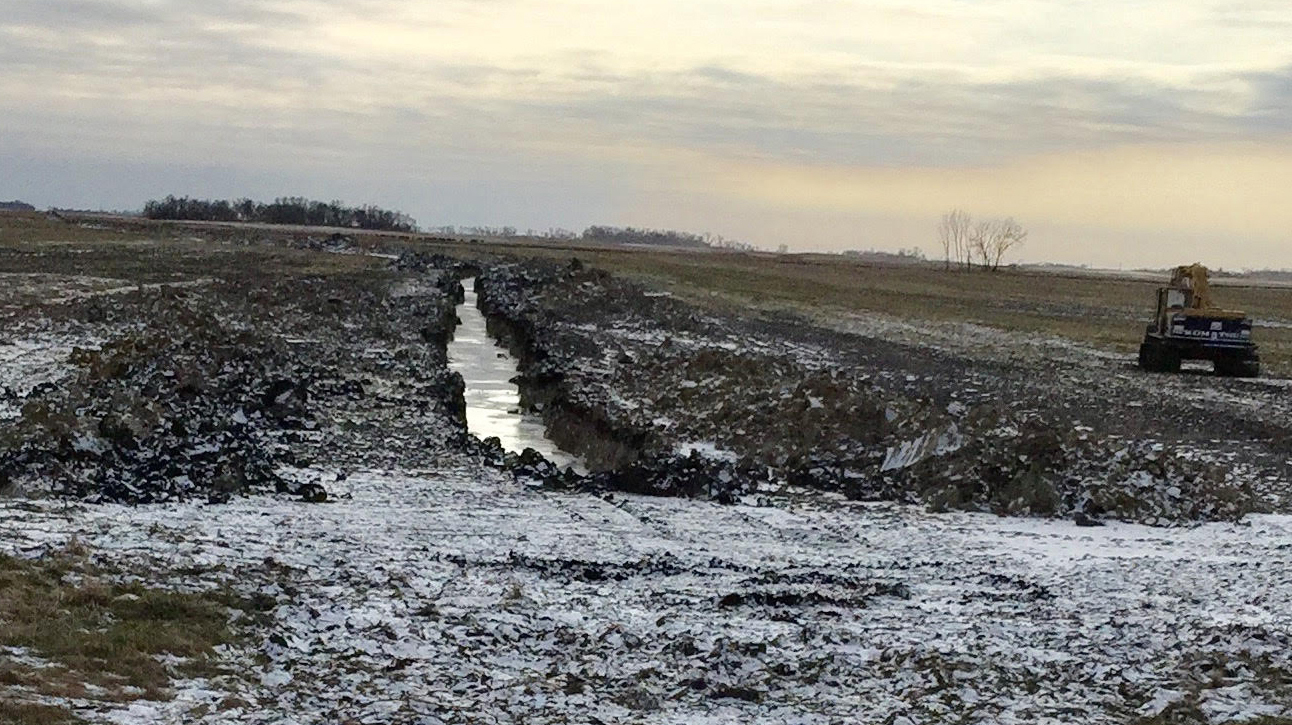
American Waterfowler also has been getting reports that snow goose hunting has begun in earnest in the mid-Atlantic Flyway states.

What is baiting?

Here’s something I’d like people to weigh in on.
Why is it that you can legally flood and hunt corn, rice, soybeans, milo or other crops in Illinois, Missouri and points south,, but if a standing barley crop is laid over by hail in North Dakota it is posted by conservation officers as a baited field? Also, in one case a cornfield in Nebraska where an abnormal amount of shelled corn was spilled while loading was the scene of the arrest of hunters who were using the field.

I believe the Federal law states that the grain in a hunting area must be the result of a “normal agricultural practice.” How is growing a crop of corn, then flooding it up to the ears a “normal” agricultural practice?

This is not an attack on any kind of hunting or any single locale.I don’t have an opinion on that. I just wonder whey the rules seem to be different in different places?

Flocks Holding On In Northern Prairies

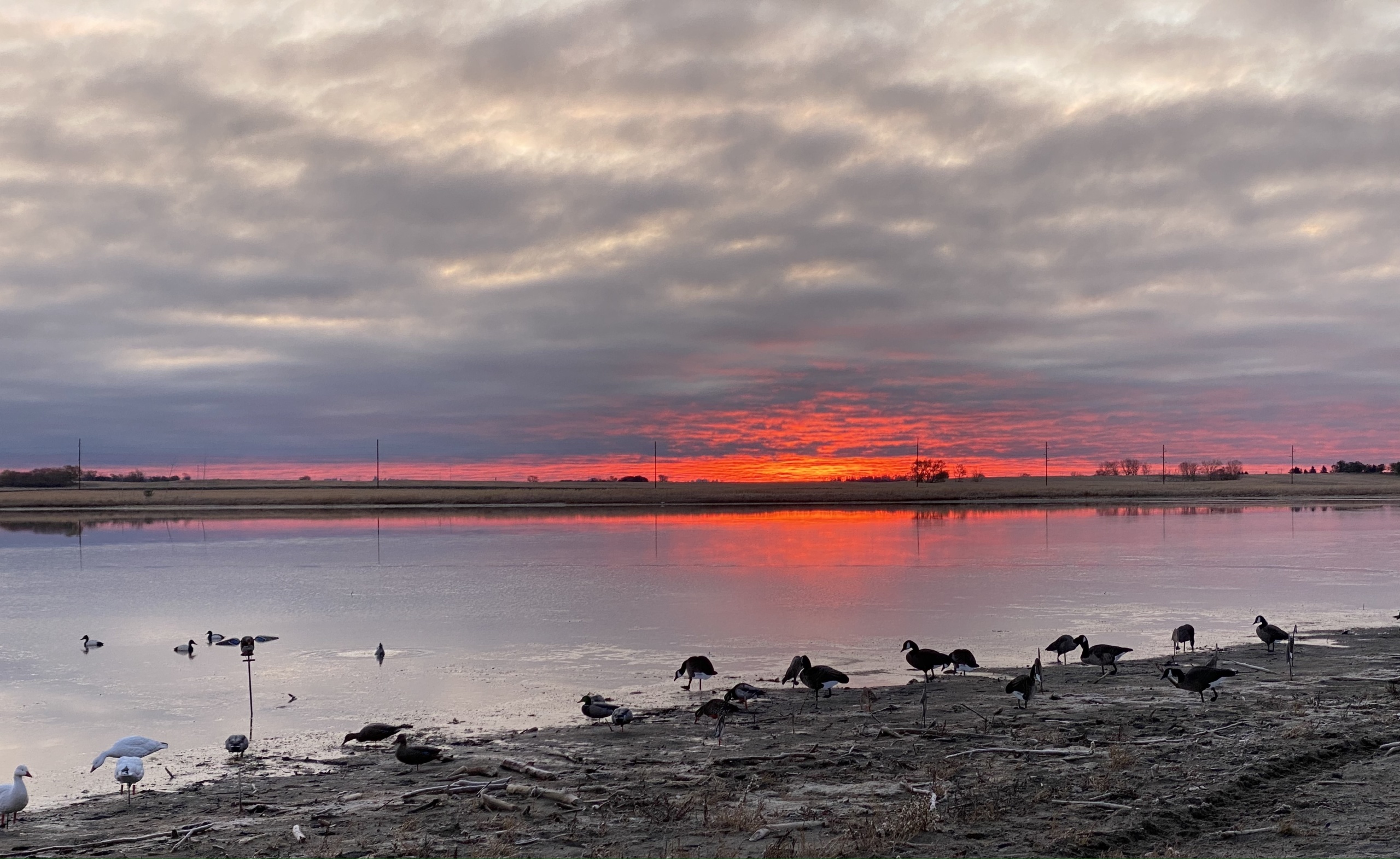
Just got back from South Dakota and wanted to report on what we saw. Nothing like last year, when crops were flooded and birds were concentrated. Lots of birds moved in after the big storm at end of October, but they got lots of pressure and have balled up on refuges and bigger waters as well as private land lakes. Field feeding ducks were difficult to locate and harder to hunt due competition from other hunters for limited spots. We had a good goose shoot on some private land we gained permission to hunt where geese were using a wet patch in a disked corn field as a daytime loafing area. We had a good shoot because the geese had been there a couple of weeks, both Hutchies and honkers about 1,500 strong, and they really wanted back in. Note to self: the small geese love to move early and were there early in the a.m.– not like lazy honkers.
Ducks being tough to pin down, we focused on a couple of private land wetlands (with permission) and after hauling gear in on our backs took mallards coming back in with their crops stuffed with corn. Bluebills seemed abundant, but we also saw shovelers, redheads, a few green-winged teal and pintails. Seems late for shovelers and prairie bluebills and redheads, and it is, but temps were low 20s overnight and low 40s daytime.
Hearing about a lot of birds that are still farther north into Canada, so there’s movement yet to happen. “When” is the question. Saw snow geese, but no great numbers and it seemed that the late birds like mallards and green-winged teal weren’t as strong as they should have been for this time of year. The big snowstorm that hit eastern Minnesota over the weekend completely missed the Dakotas and western Minnesota.
The water we hunted was extremely cold and took a lot out of the dogs when they had to make long retrieves. Despite the obstacles, a great time to be afield with the dogs, and though tough in many ways, the hunting was great!

Patching Waders

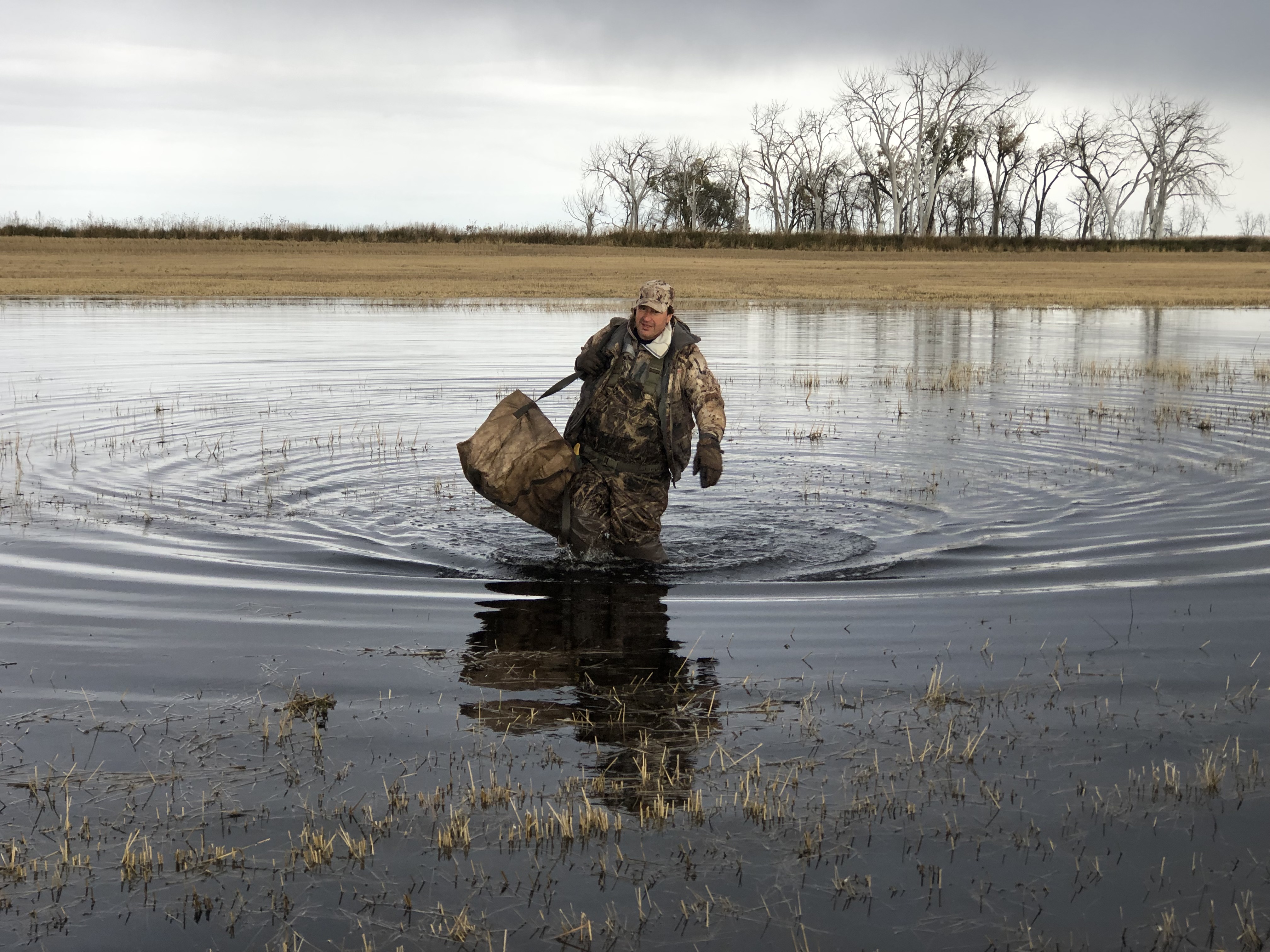
New waders, twice used, already patched.

I haven’t patched a pair of waders in years. Call it experience, or luck, but I’ve learned to avoid the most common wader dangers. For me, they are barbed-wire fences, boat trailer edges and corners (in the dark) and sharp underwater objects. Where we hunt, the first two are by far the most common. After you’ve punched or torn waders for the third or fourth time on barbed-wire fence, it finally starts to sink in–”this isn’t working.” From then on it’s avoid fence climbing at all cost, even if it means flattening your body like a worm to crawl under.

Boat trailers are horrible. Normally, we keep our waders indoors overnight to keep them warm, not for the sake of the waders, for our comfort. Putting on a pair of cold waders sucks, especially because the feet take so long to warm up. When we get to our spot we’re always in a time crunch. Not having to “wader up” in the dark saves time when there’s a boat to get into the water and gear to load or haul. But boat trailers are sneaky. They like to creep up on you in the dark and cut you with a sharp corner or some other pokey piece of metal that’s far tougher than neoprene or rubber.
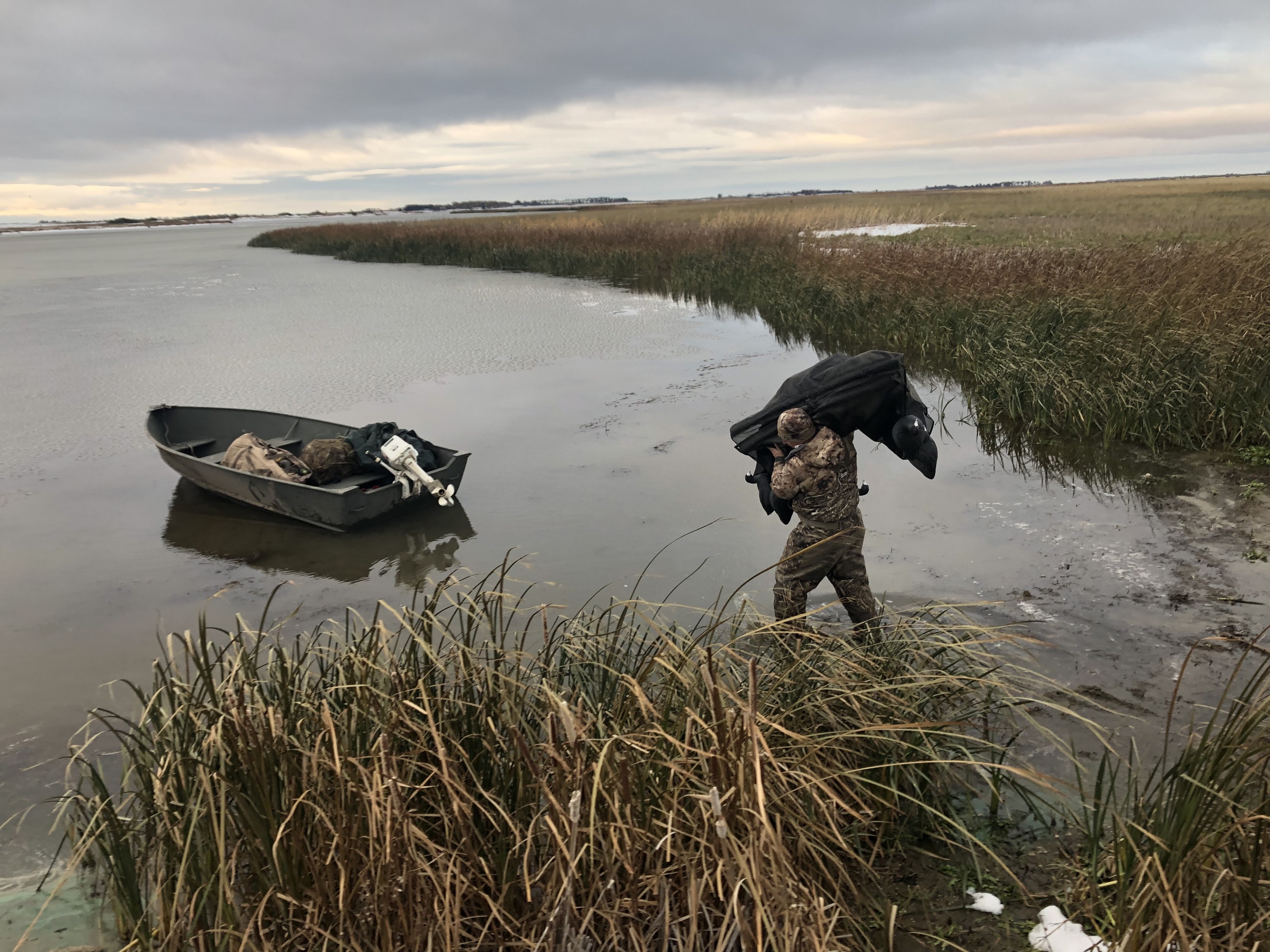
We always wear chest waders, for many good reasons. First, we live and do most of our hunting in the north. Chest waders are warm. Secondly, almost everything about a boat is wet, and getting your back side wet from a boat seat, or from sitting on the ground or on a muskrat hut or water that is unexpectedly deep is an uncomfortable distraction from what should be a joyous experience. Finally, hip boats look funny!

My luck ran out last week. We were hunting a backwater bay off a river reservoir that is uncharacteristic of our normal huntig spots. Usually we are on prairie-type potholes where the sharpest thing around is a cattail. This new spot has lots of downed timber along its edges and some floating and sunken within its depths. Wood ducks love it. It will also attract everything from small groups of geese to mallards and even the occasional diver. As I was sloshing about trying to hide our small boat a sharp stick punched a hole in the side of my NEW wader boot. You’d expect the upper to tear or puncture, not the boot. But when the cold water came running in to fill the area around my foot I couldn’t believe my luck.

So last night, while watching the Texas Rangers thrash the New York Yankess in the ALCS playoffs, I returned to an old trade: patching waders. Oddly, it felt good to be back!